April 7, 2026
The residential construction process can be an intimidating journey for homeowners, architects, and builders alike. Understanding the essential steps involved is crucial to navigating the task with confidence and efficiency. Each stage of the residential construction process must be approached with meticulous attention to detail to ensure that the final outcome meets both expectations and regulations. By breaking down these steps, stakeholders can move forward with a clear roadmap to a successful construction project and achieve lasting value in their home.
1. Planning and Designing the Project
Establishing project requirements sets the foundation for the entire residential construction process. It involves in-depth discussions with the client to understand their needs, expectations, and budget constraints. Identifying specific requirements early in the project helps minimize disruptions and ensures that the end product aligns with the client’s vision. Moreover, a clear understanding of the project scope mitigates potential risks and provides a roadmap for contractors and designers. Effective communication at this stage allows for seamless coordination and lays the groundwork for a successful project.
The architect plays a critical role in translating a homeowner's vision into a feasible plan. Selecting the right architect involves evaluating design style, experience, and portfolio. Homeowners should engage in thorough consultations to ensure the architect understands their vision and local building codes. Working with an architect familiar with residential construction standards helps prevent regulatory setbacks. Ultimately, this choice influences the efficiency and quality of the entire project.
Designing a functional and aesthetic floor plan is fundamental in residential construction. Architects balance space utilization, natural lighting, and future adaptability. According to Fixr, the median home size has grown by an average of 43% over the past 60 years, from 1,500 square feet to between 2,100 and 2,200 square feet today, which impacts modern layout decisions. Using digital tools and 3D modeling, homeowners can visualize the space before construction, allowing for informed design adjustments. This careful planning ensures the home meets lifestyle needs and maximizes property value.
Budgeting and financial planning are essential for translating designs into reality. Costs for materials, labor, permits, and unforeseen expenses must be carefully estimated. Collaboration between contractors, architects, and clients ensures the budget aligns with project expectations. Establishing a contingency fund is critical to handle unexpected issues during residential construction. Proper financial planning also allows homeowners to explore financing or construction loan options with confidence.
Before construction begins, securing permits and approvals from local authorities ensures compliance with zoning, safety, and environmental regulations. Working with professionals who understand local residential construction codes can streamline this process. Proper approvals prevent costly delays or legal issues and help maintain project timelines. Ensuring regulatory compliance early contributes to a smoother, more efficient construction phase.
2. Preparing the Site and Foundation
Site preparation begins with clearing and grading the land to create a suitable construction environment. Removing debris, vegetation, and obstacles ensures the site is ready for foundation work. Grading addresses drainage and stability concerns, which are critical for long-term durability. Proper preparation at this stage sets the foundation for all future residential construction activities, reducing the likelihood of costly repairs later.
Surveyors establish property lines and structural layouts with precision, ensuring the building sits correctly on the site. Using advanced tools, they produce detailed plans that guide construction. Accurate surveying avoids boundary disputes and guarantees the structure is built according to design specifications. This step is essential for ensuring safety and maintaining the integrity of the construction project.
Excavation involves digging trenches for the foundation and preparing the land for structural work. Heavy machinery ensures efficiency, while skilled operators maintain precision. This phase is crucial in preventing settlement issues or soil movement, which could compromise the building's stability. Proper execution ensures a strong base for the home's foundation.
Pouring the foundation is a pivotal step, providing stability for the entire structure. Options range from slab-on-grade to full basements, depending on design. High-quality concrete and precise techniques ensure durability and longevity. A solid foundation minimizes future structural issues and sets the stage for the next construction phases, ensuring the home remains secure and resilient for years to come.
3. Framing and Roofing the Structure
Framing creates the visible skeleton of the home, consisting of beams, joists, and trusses. This framework defines the building's shape and structural integrity. Materials like wood or steel are selected for durability and local climate considerations. Proper framing guarantees even load distribution and supports subsequent residential construction tasks, forming the backbone of the home.
Roof trusses distribute weight and support roofing materials, ensuring structural stability. Pre-fabricated trusses allow precision and faster installation. Correct placement safeguards the roof against weather stress and contributes to overall building safety. Completing the trusses establishes the home's main protective envelope, crucial for weatherproofing.
Sheathing stabilizes the framework and supports roofing materials such as shingles, tiles, or metal panels. Proper installation prevents leaks and provides thermal insulation. Roofing materials are selected for durability, aesthetics, and climate resilience. Together, these elements complete the exterior shell of the home, protecting the interior during the construction process.
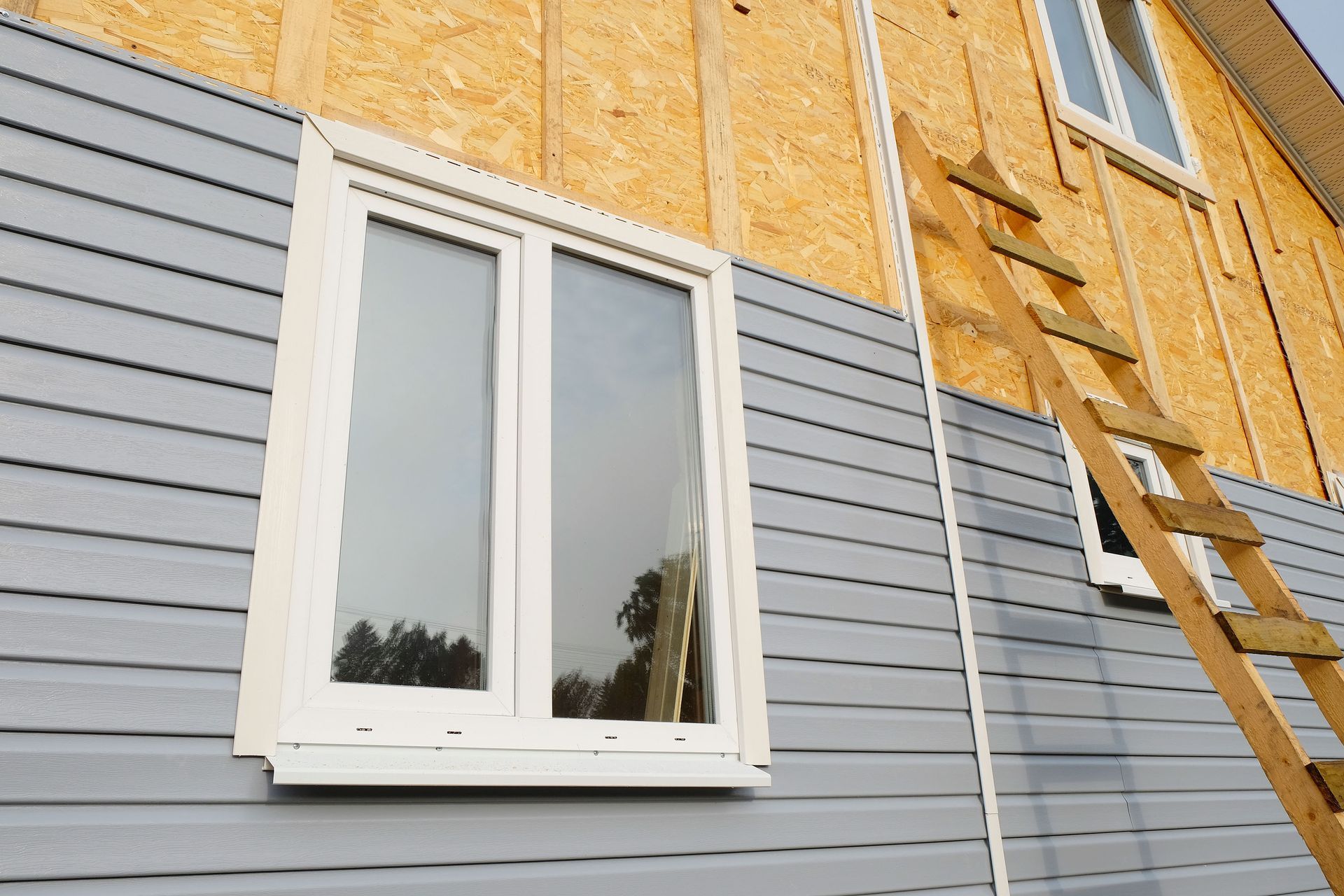
Exterior walls secure the home against environmental elements, using materials like brick, stucco, or wood siding. These walls contribute to structural integrity, energy efficiency, and sound insulation. Attention to craftsmanship ensures straight walls, proper insulation, and moisture resistance. Finished walls transition the project from a skeletal frame to a protected living space, ready for interior systems installation.
4. Installing Windows, Doors, and Insulation
Windows provide light, ventilation, and aesthetic appeal. Selection factors include energy efficiency, style, and security. Proper installation prevents drafts and moisture intrusion, supporting the home's insulation. Energy-efficient windows help reduce heating and cooling costs while enhancing indoor comfort.
Doors contribute to both security and aesthetics. Exterior doors are weather-resistant, while interior doors balance privacy and design. Accurate installation ensures durability and functionality. Proper doors complement insulation and help maintain energy efficiency in residential construction.
Insulation maintains temperature control and reduces energy usage. Materials such as fiberglass, foam, and cellulose are chosen based on climate and home design. Attention to coverage and placement minimizes thermal bridging and maximizes efficiency. Well-insulated homes provide comfort, cost savings, and environmental benefits.
Sealing gaps and cracks throughout the structure prevents energy loss and improves indoor air quality. Techniques include caulking, weatherstripping, and duct insulation. Effective sealing ensures long-term energy efficiency and contributes to sustainable residential construction. This attention to detail supports overall home performance and occupant comfort.
5. Finishing and Final Touches
Interior walls transform the structure into a livable home. Drywall installation is followed by painting or wallpapering, enhancing aesthetics and acoustic performance. Design choices reflect homeowner preferences and overall style. Well-finished walls contribute to comfort, energy efficiency, and visual appeal in residential construction.
Flooring selection and installation impact both function and aesthetics. Options include hardwood, tile, carpet, and sustainable alternatives. Proper installation ensures longevity, comfort, and ease of maintenance. Flooring complements interior design and sets the tone for each room's character.
Landscaping and exterior design enhance curb appeal and complement the home's architecture. Walkways, patios, and green spaces are installed thoughtfully. Sustainable landscaping practices promote environmental responsibility. Exterior enhancements complete the home's aesthetic and functional appeal, reflecting careful planning in residential construction.
Final inspections verify that all work meets design specifications and quality standards. Inspectors assess structural integrity, system performance, and finishing details. Documentation includes maintenance and warranty information for ongoing care. Successful completion signifies readiness for occupancy, showcasing the skill and expertise applied throughout the project. For homeowners looking to bring their dream home to life with exceptional attention to detail and quality, contact Cachey Builders today to begin your residential construction journey.